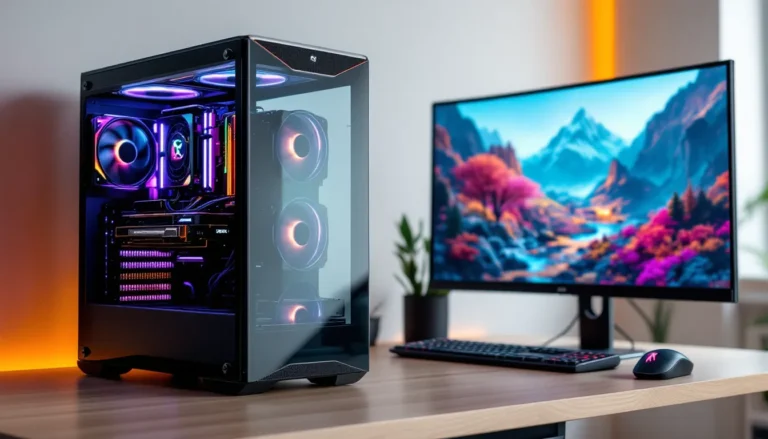


Landing a free gaming PC might sound like a pipe dream, but thousands of gamers score high-end rigs every year without spending a dime. Between hardware manufacturers looking to build hype, content creators rewarding their communities, and esports orgs celebrating milestones, the giveaway scene in 2026 is more active than ever.
But here’s the catch: for every legitimate giveaway, there’s a scam waiting to harvest your personal data or worse. Knowing where to look, how to spot fakes, and what strategies actually improve your odds separates the winners from the wishful thinkers. Whether you’re chasing a $3,000 RTX 5090 build or a solid mid-range starter rig, this guide breaks down everything you need to maximize your chances while avoiding the traps.
Key Takeaways
- Free gaming PC giveaway opportunities come from hardware brands, content creators, gaming communities, and esports organizations, but require strategic entry across verified sources to improve odds.
- Spot fake giveaways by checking for verification badges, avoiding accounts requesting excessive personal information, and verifying promotions directly on official brand websites before entering.
- Maximize your chances of winning a gaming PC by completing all available entry options, using referral systems, enabling notifications for top-tier sources, and entering early when deadlines apply.
- Prize winnings over $600 trigger IRS tax reporting in the US, so budget for income taxes on fair market value and understand state-specific rules before claiming your gaming PC.
- While giveaways offer excitement, budget-friendly alternatives like used-market purchases, refurbished prebuilts, and component-by-component building provide more reliable paths to gaming PC ownership.
Why Gaming PC Giveaways Are More Popular Than Ever
The gaming PC giveaway landscape exploded over the past few years, and 2026 shows no signs of slowing down. Several factors converged to make these promotions a win-win for both brands and gamers.
Component manufacturers ramped up marketing budgets as competition intensified. With AMD, Nvidia, and Intel locked in a three-way battle for GPU and CPU dominance, giveaways became a cost-effective way to generate buzz. A single $2,500 PC giveaway can net millions of impressions across social platforms, far cheaper than traditional advertising.
Content creators also discovered that giveaways drive engagement metrics through the roof. YouTube’s algorithm heavily favors watch time and interaction, and a well-promoted giveaway can boost both for weeks. Streamers on Twitch and Kick leverage subscriber milestones as giveaway triggers, creating a feedback loop that grows their channels while rewarding loyal viewers.
The rise of PC gaming’s market share played a role too. Console shortages in previous years pushed more gamers toward PC, expanding the audience hungry for hardware. Even as console availability normalized, the flexibility and performance ceiling of PC gaming kept demand high. Brands recognized this shift and adjusted their promotional strategies accordingly.
Where to Find Legitimate Free Gaming PC Giveaways
Knowing where to hunt separates efficient giveaway entrants from those wasting time on dead ends. The most reliable sources fall into four categories, each with distinct advantages.
Gaming Hardware Brands and Manufacturers
Corsair, NZXT, CyberpowerPC, and iBuyPower run regular giveaways tied to product launches or major gaming events. Corsair’s annual “Ultimate Gaming Setup” giveaway typically coincides with CES or E3, offering a full battlestation worth $5,000+. NZXT partners with streamers for BLD-series giveaways featuring their prebuilt systems.
Component manufacturers like MSI, ASUS ROG, and Gigabyte give away complete builds showcasing their latest motherboards, GPUs, or cooling systems. These often align with product release cycles, watch for giveaways 2-4 weeks after a new GPU launch when marketing push peaks.
Follow official brand accounts on Twitter/X, Instagram, and Facebook. Many companies also maintain dedicated giveaway pages on their websites with consolidated entry portals. Signing up for brand newsletters sometimes grants early access or bonus entries.
Content Creators and Streaming Platforms
Popular tech YouTubers like Linus Tech Tips, JayzTwoCents, and Bitwit host subscriber milestone giveaways. LTT’s annual Scrapyard Wars finale typically includes a gaming PC prize, while smaller creators often run giveaways at 100K, 500K, or 1M subscriber marks.
Twitch streamers, especially those in the gaming hardware niche, partner with sponsors for monthly or quarterly giveaways. According to PC Gamer, top-tier streamers frequently collaborate with peripheral brands to bundle complete setups rather than just the tower.
Check streamer Discord servers and community tabs, entries sometimes require joining specific servers or engaging with content beyond social media. YouTube’s “Community” tab has become a primary giveaway announcement channel since it notifies subscribers directly.
Gaming Communities and Forums
Subreddits like r/pcmasterrace, r/buildapc, and r/giveaways aggregate ongoing promotions. Community moderators often vet posts to filter scams, though always verify independently. Some subreddits host their own community-funded giveaways during special events or anniversaries.
Discord communities around specific games or hardware brands run smaller but frequent giveaways. Servers for games like Valorant, Apex Legends, or CS2 sometimes partner with gaming cafes or peripheral brands for regional giveaways.
Traditional forums like Linus Tech Tips Forum and Tom’s Hardware maintain dedicated giveaway subforums. These tend to attract more serious entrants, which can mean tougher competition but also higher-quality prizes.
Esports Organizations and Tournament Sponsors
Major esports orgs like Team Liquid, FaZe Clan, and Cloud9 celebrate tournament wins or sponsorship deals with fan giveaways. These typically coincide with championship victories or new roster announcements.
Tournament sponsors represent a goldmine. When companies like Intel, Monster Energy, or HyperX sponsor events like the League of Legends World Championship or The International, they often run parallel giveaways for viewers. Watch for on-stream codes or Twitter activations during live broadcasts.
Gaming convention organizers (PAX, DreamHack, Gamescom) partner with hardware brands for both on-site and online giveaways. Even if you can’t attend, virtual attendee options sometimes include giveaway eligibility.
How to Identify Scams and Fake Giveaways
Scammers evolved alongside legitimate giveaways, and 2026 brought increasingly sophisticated fakes. Recognizing red flags before entering protects your data and saves wasted effort.
Red Flags to Watch For
Verification badge absence tops the list. Legitimate brands and verified creators sport blue checkmarks on Twitter/X, Instagram, and Facebook. Impersonator accounts often use similar names with slight variations (“Cors4ir” instead of “Corsair”) or Unicode characters that look identical at a glance.
Excessive personal information requests signal trouble. No legitimate giveaway needs your Social Security number, credit card details, or full address upfront. Standard entries require email, age verification, and sometimes shipping address after winning, never before.
“Too good to be true” prize values deserve skepticism. A brand-new account offering an RTX 5090 Ti build plus 10 runner-up prizes? Probably fake. Cross-reference prize values with the sponsor’s marketing budget and past giveaway history.
Urgent language and artificial scarcity tactics (“Only 50 spots left.” or “Claim within 1 hour.”) mimic marketing pressure but signal scams. Legitimate giveaways have clear start/end dates and don’t use countdown timers to force rushed entries.
Grammar and spelling errors in official-looking posts remain reliable indicators. Professional brands employ copywriters and social media managers who don’t make basic mistakes. Poor English or awkward phrasing suggests overseas scam operations.
Payment requirements automatically disqualify a “free” giveaway. Shipping fees, “processing charges,” or requests to buy something first contradict the entire premise. Some scams offer “discounted entry bundles”, all fake.
Verification Steps Before Entering
Check the account’s posting history and follower count. Legitimate brand accounts have years of consistent activity and follower numbers matching their market presence. A “Razer” account with 847 followers created last month isn’t Razer.
Visit the official brand website directly (don’t click links in the suspicious post). Navigate to their news or promotions section to confirm the giveaway exists. Major promotions always appear on official sites.
Google the giveaway name plus “scam” to see if others reported it. Gaming communities quickly expose fakes, and sites like TechRadar occasionally publish scam alerts for widespread schemes.
Verify partnership claims by checking both parties. If a post claims “MSI partners with [Streamer Name],” check MSI’s official announcements and the streamer’s verified accounts for confirmation.
Use reverse image search on prize photos. Scammers steal images from legitimate builds. If the same rig photo appears across multiple unrelated giveaways, it’s recycled bait.
Check legal requirements in fine print. Legitimate giveaways include official rules, eligibility criteria, start/end dates, and odds disclosures (required in many jurisdictions). Missing legalese suggests amateur hour, or worse.
Maximizing Your Chances of Winning a Gaming PC
Pure luck plays a role, but strategic approaches demonstrably improve winning odds. Smart entrants don’t just participate, they optimize.
Strategic Entry Methods That Actually Work
Complete all entry options when giveaways offer multiple methods. A Gleam.io campaign might offer 1 entry for following on Twitter, 5 for subscribing to YouTube, 10 for sharing, and 25 for referring friends. Maxing out all options can give you 40+ entries versus competitors who only did the minimum.
Referral systems provide exponential advantages. Some platforms award bonus entries for each friend who enters via your link. Building a small referral network of fellow gamers who reciprocate can multiply your entries across multiple giveaways.
Engage authentically with creator content beyond just giveaway posts. Accounts that regularly comment, share, and participate in communities sometimes get recognized. While most giveaways use random selection, creator-run “pick your favorite comment” formats favor active community members.
Enter early when possible. Some automated systems select winners by entry timestamp or weighted favor early participants. Even with pure random selection, entering early means you won’t miss deadline confusion or last-minute technical issues.
Track multiple giveaways simultaneously. Serial entrants maintain spreadsheets with end dates, entry requirements, and completion status for dozens of concurrent giveaways. Apps like RafflePress or Gleam track participation automatically if you use the same email across campaigns.
Following the Right Accounts and Channels
Curating your social feed for giveaway opportunities takes initial effort but pays off. Create dedicated Twitter/X lists or Instagram collections for hardware brands, major tech YouTubers, and esports orgs. This filters signal from noise without cluttering your main feed.
Enable notifications for key accounts. Most platforms let you turn on push alerts for specific users. Reserve this for 5-10 top-tier sources (Nvidia, Corsair, LTT) who run high-value giveaways worth immediate attention.
Join aggregator Discord servers that scrape social media for new giveaways and post them centrally. Servers like “Giveaway Hub” or “PC Giveaways” employ bots that monitor hundreds of sources and post opportunities in real-time.
Newsletter subscriptions remain underutilized. Many brands announce giveaways to email lists before or alongside social media. Marketing research shows gaming hardware companies increasingly use email-exclusive bonus entries to build subscriber lists.
Timing and Frequency Considerations
Product launch windows (September-November for GPUs, January for CES announcements) see concentrated giveaway activity. Plan to check sources daily during these periods rather than spreading effort evenly across the year.
Holiday promotional cycles (Black Friday through New Year’s, summer gaming season June-August) also spike giveaway frequency. Brands align with shopping seasons and school breaks when gaming engagement peaks.
Balance quantity with quality. Entering 100 low-value giveaways for basic peripherals wastes time better spent on 20 high-value PC giveaways. Set minimum prize thresholds ($800+ system value) to maintain efficiency.
Consistency beats intensity. Spending 15-20 minutes daily entering giveaways outperforms sporadic multi-hour binges. Automated entry tools and browser extensions can streamline repetitive tasks like social follows or email verification.
Understanding Giveaway Rules and Requirements
Fine print matters more than most entrants realize. Misunderstanding rules leads to disqualification or unpleasant surprises post-win.
Common Entry Requirements Explained
Email verification serves dual purposes: confirming you’re human and building marketing lists. Use a dedicated email address for giveaways to separate promotional spam from personal communication. Services like Gmail’s plus-addressing ([email protected]) work but some systems block them.
Social media follows represent the most common entry requirement. “Follow, like, and retweet” combinations ensure entrants actively engage rather than drop in purely for prizes. Some platforms require follows to remain active through winner selection, unfollowing immediately can disqualify you.
Age minimums typically sit at 18+ (occasionally 13+ with parental consent). This reflects legal liability and tax reporting requirements rather than artificial restrictions. Lying about age can void prizes if discovered during winner verification.
Subscription requirements vary widely. YouTube channel subscriptions cost nothing but check if you need notifications enabled. Twitch subscriptions requiring Twitch Prime or paid subs ($4.99/month) technically aren’t “free” giveaways unless you already maintain the subscription.
Content creation tasks (“Post a photo with our product,” “Share why you deserve to win”) increase engagement but reduce entry volume. These often favor creativity or storytelling over pure luck. Allocate time for quality submissions rather than rushing generic entries.
Purchase requirements occasionally appear in hybrid “sweepstakes with purchase” formats. These differ from pure giveaways, “buy our game for 1 entry, get bonus entries for sharing”, and must legally include a free alternative entry method (often buried in rules).
Geographic and Age Restrictions
Regional limitations frustrate international entrants but reflect legal and logistical realities. US-only giveaways dominate because American sweepstakes laws are relatively permissive and shipping logistics are simpler. Canadian giveaways often require skill-testing questions to comply with anti-gambling laws.
European entrants face fewer giveaways due to GDPR compliance burdens and varying country-specific regulations. UK-based promotions expanded post-Brexit with simplified rules, but EU-wide giveaways declined.
Import duties and customs impact international winners even when giveaways permit global entries. A $2,000 gaming PC might trigger $300+ in import fees depending on your country. Some sponsors cover this: most don’t. Clarify before entering if you’re outside the sponsor’s home country.
State and province exclusions within countries happen too. Quebec’s strict French-language requirements and registration fees cause many sponsors to exclude it entirely (“Open to US and Canada excluding Quebec”). Some US states (Florida, New York, Rhode Island) require registration for high-value prizes, leading to occasional exclusions.
Military members overseas often fall into gray areas. APO/FPO addresses technically count as US for some sponsors but create shipping complications for others. Contact sponsors directly if stationed abroad.
What Happens After You Win a Gaming PC Giveaway
Winning triggers a new phase with its own challenges and requirements. Proper preparation smooths the process.
Claiming Your Prize and Handling Logistics
Initial contact typically comes via email or social DM within 24-72 hours of winner announcement. Legitimate sponsors never ask for payment but will request shipping address and identity verification. Respond promptly, most giveaways include a claim deadline (commonly 7-14 days) before moving to alternate winners.
Identity verification might require government ID photos or proof of eligibility (age, residency). This protects sponsors from fraud and ensures legal compliance. Hesitation to provide reasonable verification suggests a scam on your end, but sending docs via encrypted methods (not plain email) protects your security.
Shipping timelines vary wildly. Custom builds take 2-6 weeks from claim to delivery as sponsors often assemble on-demand rather than warehousing prizes. Prebuilt systems ship faster but international delivery can add weeks. Track packages obsessively, signature requirements mean missed deliveries create rescheduling headaches.
Damage in transit happens. Document everything: photograph the shipping box from all angles before opening, record unboxing video, and report damage immediately to both the shipping carrier and sponsor. Most sponsors maintain insurance but require prompt reporting.
Missing components or discrepancies between advertised specs and delivered hardware warrant immediate contact. If the giveaway promised an RTX 4080 but you received a 4070, sponsors typically correct errors if you catch them quickly. Waiting weeks weakens your position.
Tax Implications and Legal Considerations
US tax reporting kicks in for prizes valued at $600+. Sponsors issue IRS Form 1099-MISC for the fair market value, and you owe income tax on that amount. A $2,500 gaming PC could mean $300-$900 in federal tax depending on your bracket, plus state taxes. This surprises many winners who expect “free” to mean zero cost.
Withholding isn’t automatic for most giveaways (unlike casino winnings). Winners must track this income and either adjust paycheck withholding or pay quarterly estimated taxes. Ignoring it creates penalties when filing annual returns.
Canadian winners answer a skill-testing question (basic math problem) to comply with anti-lottery laws. This is formality rather than actual challenge, “What is (4 + 2) × 3?”, but incorrect answers technically allow prize forfeiture.
Prize value calculations use retail pricing, not sponsor cost. That $3,000 advertised value reflects MSRP even if sponsors paid wholesale prices or received components free for promotional purposes. You’re taxed on full retail value.
State-specific rules add complexity. Some states don’t tax prizes: others do. New York, for instance, taxes prize winnings as regular income with rates up to 10.9% at the state level alone.
Refusing prizes is an option if tax burden exceeds your ability or willingness to pay. Politely declining lets sponsors move to alternates and saves you tax headaches. Some winners accept prizes then immediately sell them, using proceeds to cover taxes and pocket the difference.
Building Your Gaming Setup Around Your New PC
Landing a free gaming PC solves the biggest expense, but a complete setup requires complementary hardware.
Monitor matching should align with your PC’s capabilities. An RTX 4080 or 4090 build deserves a 1440p 165Hz or 4K 144Hz display to leverage that power. Budget $300-$600 for quality panels, Dell S2722DGM hits the sweet spot for 1440p performance, while the LG 27GP950-B serves 4K enthusiasts.
Peripheral priorities depend on gaming style. Competitive FPS players need low-latency mice (Logitech G Pro X Superlight, Razer Viper V2 Pro) and mechanical keyboards with fast switches. MMO and strategy gamers benefit from macro-capable boards and mice with extra buttons. Don’t cheap out, $150-$200 combined gets quality gear that won’t bottleneck your reactions.
Audio solutions split between headsets and speaker setups. Closed-back headsets like the HyperX Cloud III or SteelSeries Arctis Nova Pro isolate for competitive advantage. Open-back headphones (Sennheiser HD 560S) plus a separate mic (Blue Yeti, Elgato Wave:3) suit streamers and immersive single-player sessions.
Desk and chair investments prevent long-term pain. Ergonomic chairs (SecretLab Titan Evo 2022, Herman Miller Aeron if budget allows) and proper desk height matter more than RGB strips. Your body will thank you after 6-hour gaming marathons.
Cable management and power complete the setup. Surge protectors with sufficient outlets (12+) and joule ratings (2000+) protect your investment. Velcro ties, cable raceways, and under-desk trays transform rats’ nests into clean battlestations worthy of posting to r/battlestations.
Gradual upgrades work better than blowing savings immediately. Start with monitor and mouse, add keyboard and audio over following months. Sales cycles (Black Friday, Amazon Prime Day, back-to-school) discount peripherals 30-50% if you time purchases right.
Alternatives: Budget-Friendly Ways to Get a Gaming PC
Giveaways provide excitement but terrible odds. Supplementing entries with proactive acquisition strategies makes more sense.
Used market deals on Facebook Marketplace, Craigslist, and r/hardwareswap offer 30-50% discounts versus new builds. Last-gen hardware (RTX 3070, Ryzen 5 5600X) still crushes modern games at 1080p/1440p high settings. Vet sellers carefully and test before payment, bring a USB with benchmarking software.
Corporate/university surplus occasionally includes gaming-capable systems. Dell Optiplex or HP EliteDesk towers with modern CPUs need only GPU additions to become budget gaming rigs. Watch municipal auction sites and university surplus stores for sub-$300 bases.
Component-by-component purchasing spreads costs across months. Buy case and PSU one month, motherboard and CPU next, GPU when budget allows. PCPartPicker price tracking alerts you to component deals, and building yourself saves $200-$400 versus prebuilts.
Refurbished prebuilts from mainstream brands (HP Omen, Dell G-series) sell through manufacturer outlets at steep discounts. These include warranties unlike sketchy used sales. iBuyPower and CyberPowerPC also sell refurbs and open-box returns at 20-30% off.
Payment plans through retailers (Best Buy financing, Amazon Affirm) or manufacturers (NZXT BLD financing) eliminate upfront cost barriers. Interest-free periods (6-18 months typical) let you spread payments without added cost if you pay off before promo expires.
Game-centric rebuilds prioritize GPU spending while economizing elsewhere. A $500 GPU paired with $400 in other components outperforms balanced $900 builds for pure gaming. Non-gaming tasks won’t fly, but framerates will.
Trade-in programs at retailers like GameStop occasionally accept old consoles or PCs toward gaming PC purchases. Values are low but eliminate selling hassle. Combine with seasonal promotions for stacking discounts.
Conclusion
Free gaming PC giveaways represent legitimate opportunities backed by real brands investing in community engagement, but winning requires more than wishful thinking. Strategic entry across verified sources, scam awareness, and rules compliance separate serious contenders from casual hopefuls.
The math remains brutal, popular giveaways attract 50,000+ entries for single prizes, but consistent, optimized participation across multiple campaigns shifts odds in your favor over time. Treat it as a long game rather than expecting immediate results, and diversify your approach with budget acquisition alternatives so you’re not purely gambling on RNG.
Whether you score that dream RTX 5090 build or piece together a used-market warrior, the end goal stays the same: high framerates and low temps. The path there just depends on your patience, strategy, and luck stat.